

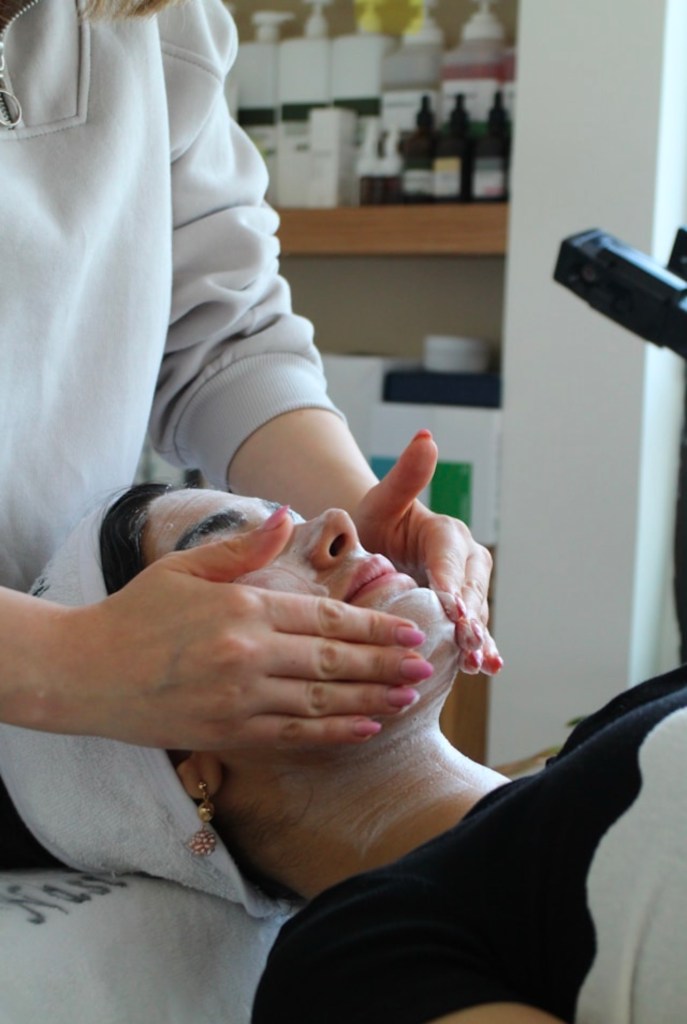
Our skin is a marvel of biology, constantly renewing itself to protect us from the elements. But over time, dead skin cells can accumulate on its surface, leading to dullness, uneven texture, and clogged pores. This is where exfoliation becomes essential for maintaining a healthy, glowing complexion.
Let’s explore how exfoliation works by looking at the layers of your skin and the products that can help rejuvenate it.
The Structure of Your Skin
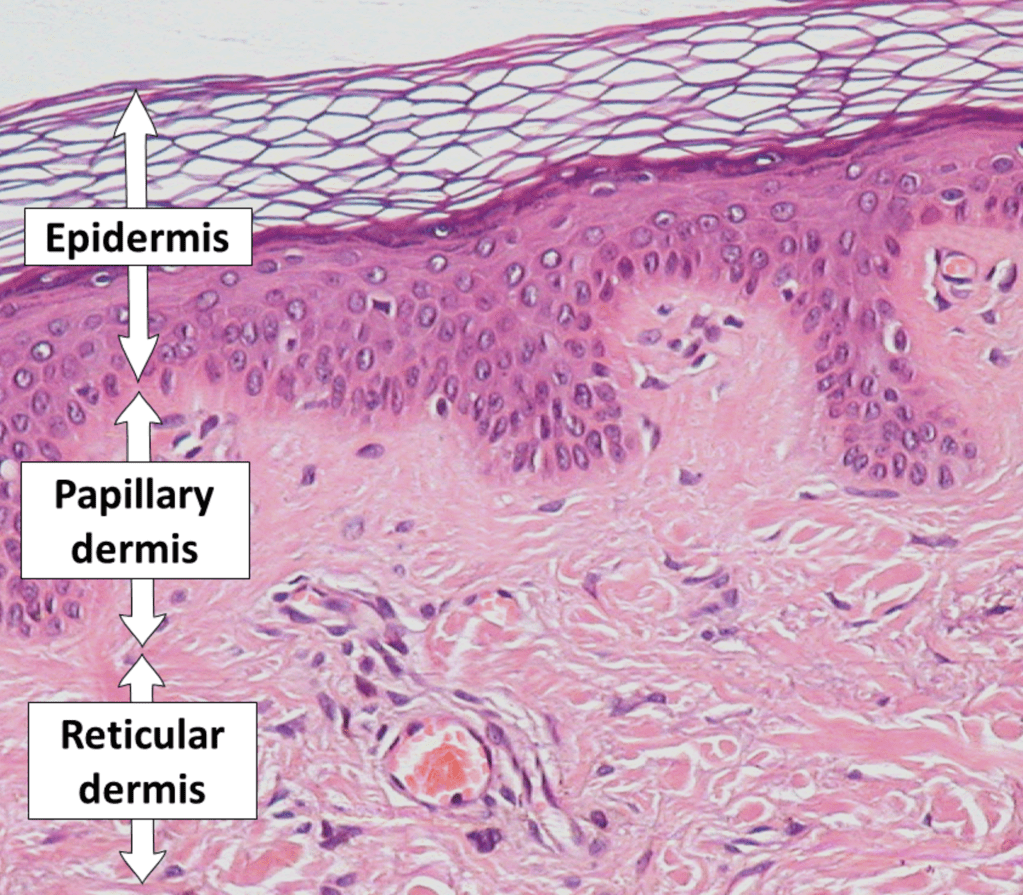
To understand exfoliation, let’s take a closer look at the skin’s three key layers:
1. Epidermis (Outer Layer):
• This layer includes the stratum corneum, made up of dead skin cells that naturally shed over time.
• When this shedding slows due to aging, stress, or environmental factors, the dead cells accumulate, causing a rough, dull appearance. Exfoliation helps remove these cells, allowing fresh, new skin to emerge.
2. Papillary Dermis (Middle Layer):
• Exfoliation stimulates blood flow and cell renewal, indirectly benefiting the dermis. This helps maintain the skin’s elasticity and hydration.
3. Reticular Dermis (Deep Layer):
• While exfoliation doesn’t directly reach this layer, its impact on the epidermis and papillary dermis helps improve the skin’s overall health and appearance.
Why Exfoliation Is Essential
• Brightens Complexion: By clearing away dead skin cells, exfoliation reveals a smoother and more radiant surface.
• Prevents Clogged Pores: Regular exfoliation keeps pores clear, reducing breakouts.
• Boosts Product Absorption: Freshly exfoliated skin is more receptive to serums, moisturizers, and treatments.
• Promotes Cell Turnover: Exfoliation encourages the natural process of skin renewal, which slows as we age.
Exfoliation Methods and Products
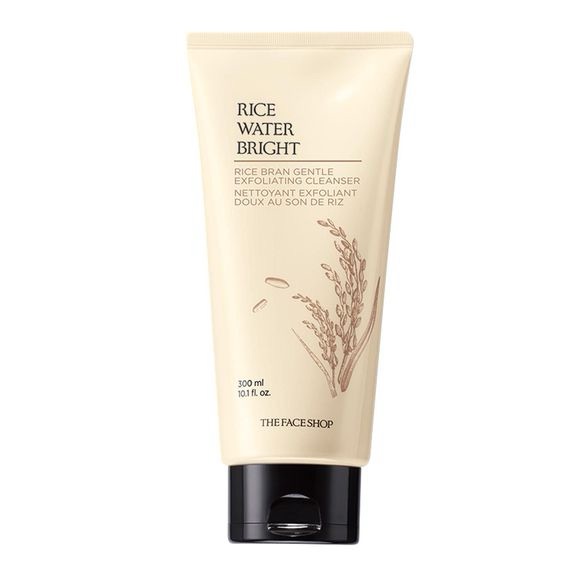
1. Physical Exfoliation:
• Uses small particles or tools to manually remove dead skin cells.
• Best For: Those who prefer immediate, visible results.
• Recommended Product: Gentle Exfoliating Face Scrub – Packed with microbeads to smooth the skin without irritation.
2. Chemical Exfoliation:
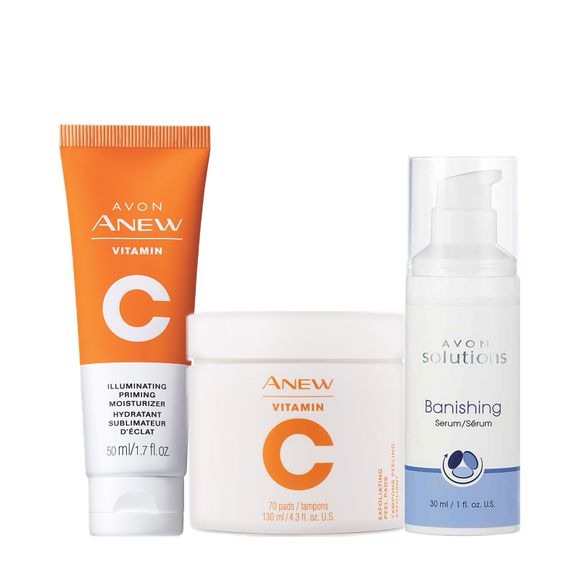
• Uses acids like AHAs (glycolic acid, lactic acid) or BHAs (salicylic acid) to dissolve bonds between dead skin cells.
• Best For: Those with oily or acne-prone skin.
• Recommended Product: Renewal Peel Pads – Infused with glycolic acid for a brighter, even-toned complexion.
3. Enzyme Exfoliation:
• Utilizes natural enzymes from fruits like papaya or pineapple to gently break down proteins on the skin’s surface.
• Best For: Sensitive or dry skin types.
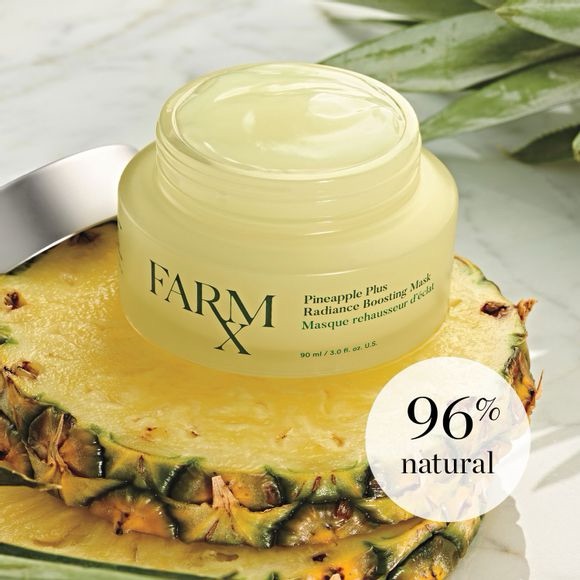
• Recommended Product: Pineapple Pus Radiance Boosting Mask – A soothing blend of natural fruit enzymes for radiant skin.
How to Incorporate Exfoliation Into Your Routine
1. Start Slow: Exfoliate 1-3 times a week based on your skin type. Over-exfoliating can lead to irritation.
2. Time It Right: Exfoliate in the evening to remove the day’s buildup and give your skin time to regenerate overnight.
3. Hydrate and Protect: Follow with a moisturizer to lock in hydration and always apply sunscreen during the day.
A Note on the Importance of Sunscreen
Exfoliation can make your skin more sensitive to sunlight. Always use an SPF of 30 or higher to protect your skin and maintain its youthful appearance.
Final Thoughts
Exfoliation is more than just a skincare step—it’s a way to rejuvenate your skin and restore its natural glow. Whether you prefer physical, chemical, or enzyme exfoliants, there’s a product for everyone. By understanding the layers of your skin and how exfoliation works, you can create a routine that brings out the best in your complexion.
Are you ready to take the next step toward radiant skin? Check out our line of exfoliating products to find the perfect match for your needs. Your glow is waiting!

 Beauty Bloom News